
Introduction to fine dust and its causes, current dust pollution in the air
What is fine dust?
Fine dust, also known as PM 1.0 dust, consists of liquid or solid particles suspended in the air. To measure the concentration of these particles in 1 cubic meter of air, scientists typically use PM 10, PM 2.5, and PM 1.0 indices. The “PM” in PM 1.0 stands for “Particulate Matter,” and the number 1.0 refers to the size of the particles, which are smaller than or equal to 1 micrometer in diameter.
Fine particles like PM 1.0, as well as nano-dust particles (≤ 0.1μm), can penetrate deep into the respiratory system, affecting DNA structure, causing oxygen imbalance, and harming human health. Additionally, components of dust such as Cr, Cd, Ni, and aldehyde substances can cause lung cancer by disrupting DNA repair mechanisms. Therefore, ultra-fine dust and nano-dust are potential causes of many respiratory diseases and general health issues.
Causes of fine dust and pollution
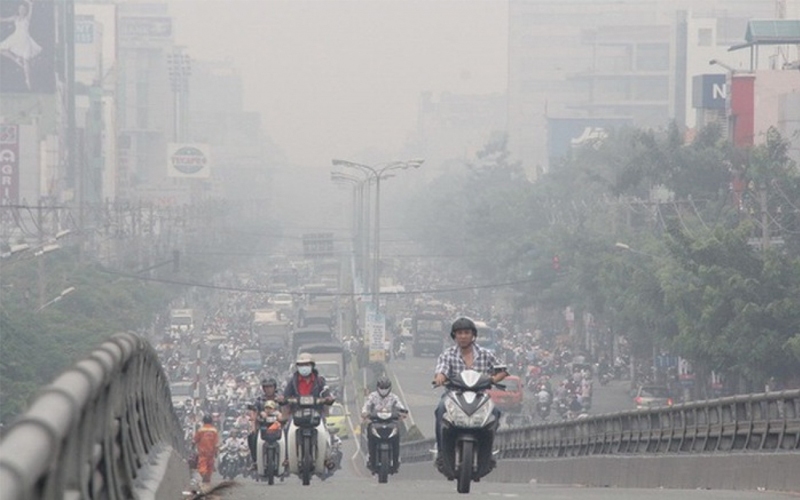
Experts have studied and identified various causes of fine dust pollution, including vehicle emissions, industrial factory smoke, construction site dust, waste, forest fires, and many other factors.
For instance, in Hanoi, recent statistics have raised alarms as pollution levels have exceeded safe limits, directly impacting human health. Fine dust particles PM 2.5 and PM 1.0 (small airborne dust particles) have been present, affecting visibility for traffic participants by causing the air to appear foggy.
However, the more dangerous aspect is that these particles can lead to severe illnesses like stroke, lung cancer, cardiovascular diseases, and respiratory issues. They can also accelerate liver disease development and increase the risk of liver function issues in people with pre-existing liver conditions.
Current situation of dust in the air
Dust is a common phenomenon in daily life, not only outdoors but also inside your home. It is a complex mixture of solid and liquid substances that linger in the air and quickly settle on household items. If cleaning is skipped for just one day, nearly all surfaces will accumulate dust.
However, in recent years, the concentration of dust in the air has significantly increased. The primary causes still stem from human activities, such as emissions from factories, construction dust, forest burning, and waste. This increase is making the environment more polluted, especially creating harmful types of dust that negatively affect human health. Among them, the presence of ultra-fine dust poses a major threat.
Harmful effects of dust on human health
Here are some of the harmful effects of dust on human health:
Mental health issues
Smoke and dust significantly contribute to environmental pollution, making the air toxic and hard to breathe. The lack of clean air can cause discomfort and stress, negatively impacting people’s mental health and making their emotions more difficult to control.
Respiratory problems
Dust is one of the most common causes of respiratory issues. Tiny dust particles that accumulate in the body over time can lead to coughing, shortness of breath, and even diseases like pneumonia, bronchitis, or chronic obstructive pulmonary disease (COPD).
Heart attack
In addition to affecting the respiratory system, dust exposure also impacts the alveoli, penetrating the blood-gas barrier and causing issues in the circulatory system. Furthermore, fine dust can affect the nervous system and cause circulation problems. It can even lead to clogged arteries and heart attacks, even in individuals whose blood vessels were previously normal.
Pneumoconiosis
This is one of the most common occupational diseases, accounting for 40-70% of all occupational diseases in the last 20 years. Pneumoconiosis, caused by the inhalation of mineral and metal dust, leads to lung fibrosis and a decline in respiratory function. Different types of dust cause various forms of pneumoconiosis.
Memory loss
Long-term exposure to polluted air can accelerate cognitive decline. It affects brain activity, increasing the risk of stroke, memory loss, and depression.
Skin diseases
The impact of dust also affects skin health. It can dry out the skin and cause various skin diseases, such as allergic dermatitis caused by exposure to dust particles like acne. This is common for people working in industries like boiler work, mechanics, and cement manufacturing. Dust can also cause skin damage such as rashes, psoriasis, and ulcers, especially when exposed to abrasive dust particles like lime, tin, pesticides, and pharmaceuticals.
Impact on fetus
The harmful effects of dust are incredibly dangerous, and many people today are unaware of the risks. Fine dust particles that accumulate in the mother’s body can cause severe consequences for the fetus, including blood poisoning, low birth weight, and stunted growth. It also increases the risk of neurological diseases and autism.
Eye conditions
Not using protective glasses can lead to dust entering the eyes, causing irritation and conjunctivitis, resulting in symptoms like eye growths and corneal burns. Dust can also cause reduced vision and even blindness.
How to minimize the impact of dust on human health
Minimizing dust impact on human health with dust filter bags
Dust filter bags are an effective tool in reducing the harmful effects of dust on human health. These bags trap fine dust particles in the air before they can be inhaled into the lungs.
Using dust filter bags not only helps reduce the risk of respiratory diseases like bronchitis, asthma, and lung disease caused by fine dust but also minimizes the risk of related conditions such as skin, nervous system, cardiovascular, and vision problems.
Therefore, using dust filter bags is an effective measure to protect human health and improve the quality of life.
Dust filter bags help protect the environment
Dust filter bags are an effective solution to reduce the impact of dust and impurities on the living and working environment. The use of dust filter bags in ventilation systems and industrial machinery can capture dust and pollutants, reducing the amount of harmful substances released into the environment.
This not only helps protect human health but also reduces negative effects on animals, plants, and the natural environment.
In conclusion, dust poses significant threats to human health and the living and working environment. Using dust filter bags is an efficient way to reduce the amount of dust and pollutants released into the environment, while also lowering the risk of respiratory diseases and other dust-related conditions. This is especially important for individuals working in dusty environments, where the risk of dust exposure is high.
For purchasing or consulting about dust filter bags, please contact us using the information below:
TAN THANH FILTRATION COMPANY
- 50 Road No.1 Cu Xa Dien Luc, Truong Tho Ward, Thu Duc City, Ho Chi Minh City, Vietnam.
- 3/14 Binh Thuan Hamlet, Binh Nhâm Commune, Thuan An District, Binh Duong Province
- Phone: 0901 858 686
- Email: kelvin@tatafilter.com
