
Paper waste is rapidly increasing in Vietnam. Although paper is easily recyclable, improper disposal can severely pollute water and air sources. This article shares advanced treatment technologies and sustainable development trends in the paper industry. Discover more with Tan Thanh.
1. Current situation of paper waste in Vietnam
Paper waste is a growing environmental concern, often underestimated compared to plastic or heavy metal waste. According to the Ministry of Natural Resources and Environment, paper waste is increasing at a staggering rate of 12% per year, mainly originating from printing, office consumption, packaging production, and uncontrolled manual recycling.
Region | Proportion (%) | Main Sources of Waste |
Urban Areas | 45% | Offices, government agencies, schools |
Industrial Zones | 38% | Paper factories, packaging plants |
Rural Areas | 17% | Craft recycling villages, small producers |
Urban centers such as Hanoi and Ho Chi Minh City generate the most waste, while pollution risks are concentrated in rural recycling villages with outdated technology and unregulated chemical disposal.
Untreated paper waste can severely pollute water sources, with three main contributing factors:
- Residual Chlorine: Commonly used in bleaching, excess chlorine may form harmful compounds like dioxins that disrupt human endocrine and reproductive systems.
- Heavy Metals: Industrial inks contain lead (Pb), cadmium (Cd), and chromium (Cr), which accumulate in river sediments and harm ecosystems.
- Persistent Organic Compounds: Substances like modified lignin and synthetic resins persist in water, degrading both groundwater and surface water quality.
2. Advanced paper waste treatment technologies
Dust paper treatment
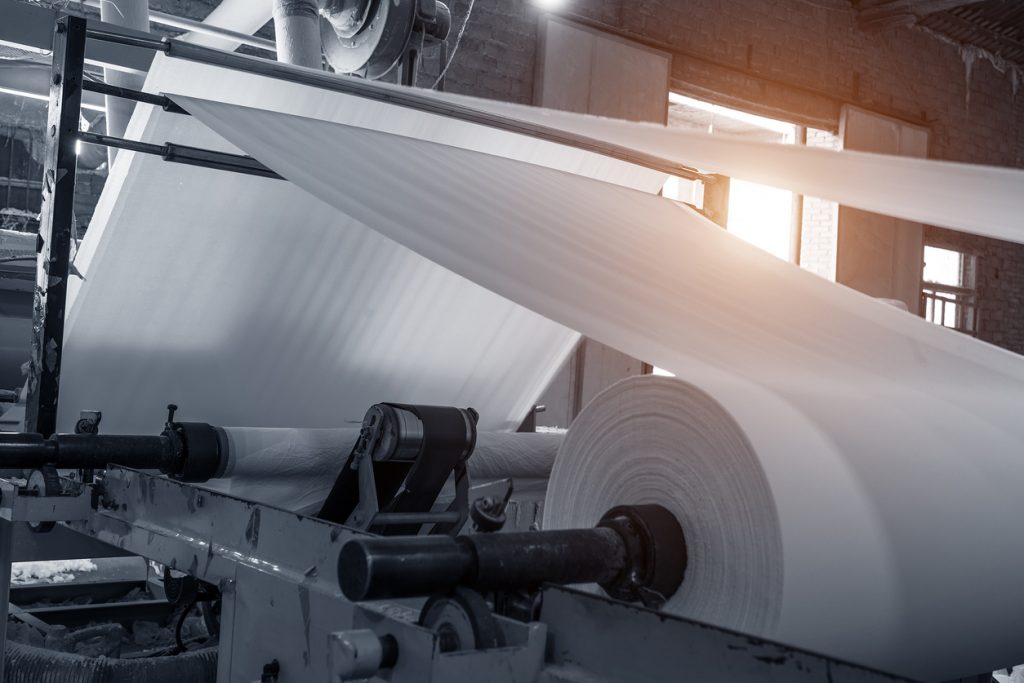
In paper manufacturing plants, paper dust continuously arises from processes such as grinding, cutting, and rolling finished products. This type of dust is dry, lightweight, and easily dispersed in the air, posing a fire and explosion risk due to its flammability when accumulated in enclosed spaces. Therefore, paper dust treatment solutions must be highly effective in both dust collection and long-term operational stability.
One of the most optimal solutions today is a two-stage treatment system consisting of a cyclone dust separator combined with a fabric filter. All paper dust is collected at the source through a dedicated extraction system. The dust-laden air is directed through a duct network to the cyclone chamber, where larger particles with higher specific weight are separated by centrifugal force and fall to the bottom of the chamber.
The cyclone acts as a coarse filter, significantly reducing the load on the subsequent system, which helps prevent clogging and extends the lifespan of the filter bags. The air stream after the cyclone still contains fine and ultra-fine dust particles, which continue to pass through the fabric filter system. Thanks to the surface filtration mechanism and the pressure differential across the filter membrane, the fine dust particles adhere tightly to the surface of the filter bag. When the dust accumulation reaches the preset limit, the system automatically activates the cleaning process—either by vibration or compressed air pulses—to remove the dust into the collection hopper. The filtered air is then discharged into the environment through an exhaust pipe that meets air quality standards. The dust filter bags used are highly heat-resistant and efficient at capturing fine dust, making them suitable for environments with high dust content and elevated temperatures.

Exhaust gas treatment
Exhaust gases in the paper manufacturing industry primarily arise during the bleaching, drying, and surface treatment stages of paper production. The exhaust gas composition contains a variety of volatile organic compounds (VOCs), chlorine odors, cleaning chemicals such as hydrogen peroxide and chlorine, as well as acid gases like SO₂ and HCl. These emissions are a serious source of air pollution, directly impacting the health of workers and the surrounding environment.
To treat this type of exhaust gas, a common solution is to combine multiple technologies: adsorption, gas scrubbing, and thermal oxidation. Among these, activated carbon adsorption plays a key role in removing VOCs and chemical odors. Adsorption towers are typically arranged in multi-layer carbon configurations and can be replaced or regenerated after a certain period of use.
Additionally, gas scrubbers are used to neutralize acidic gases. The air stream passes through an alkaline adsorption solution, where a neutralization reaction takes place, thereby reducing the concentration of harmful gases in the exhaust. For VOCs with high calorific value, thermal oxidation (thermal oxidizers) is the most effective solution. The combustion chamber operates at temperatures between 850–1100°C, completely burning off volatile organic compounds, reducing odors, and enhancing safety.

Paper wastewater treatment
Wastewater generated from paper production contains high levels of organic compounds (COD, BOD), chemical residues such as chlorine, printing inks containing heavy metals, and biodegradable-resistant adhesives. Due to the complex nature of the pollution, the treatment process needs to be designed in multiple stages to ensure effective pollution reduction before discharge.
The paper wastewater treatment process begins with a pre-treatment phase that includes sand settling tanks, trash separation, and equalization tanks to stabilize flow and remove mechanical impurities. Next, the water undergoes coagulation and flocculation using chemicals such as PAC or aluminum sulfate combined with polymers to aggregate ink, adhesives, and suspended solids into settleable sludge. After chemical and physical treatment, the wastewater enters an aerobic biological tank (Aerotank), where microorganisms break down dissolved organic compounds. Some plants also integrate MBR (Membrane Bioreactor) or drip filtration systems to enhance COD removal, color, and odor treatment. Before discharge into the environment, the water is disinfected using UV or chlorine. The sludge from the system is dewatered using specialized dewatering machines and can be reused as non-fired bricks or fertilizers if it meets technical requirements.
3. Sustainable development trends in the recycling paper industry
The content from the “Circular Economy in the Paper Industry of Vietnam” seminar in 2024 indicates that the recycled paper industry in Vietnam is focusing on sustainable development trends, combining economic benefits with environmental protection. The main trends include:
- Resource-Efficient Design: Develop low-grammage, unbleached paper with high quality. Favor uncoated or lightly coated industrial packaging and durable carton boxes.
- Enhanced Collection & Recycling: Recovered paper is the primary raw material. In 2022, Vietnam produced 5.7 million tons of paper, with over 80% for packaging. Collection of used paper is being scaled to reduce reliance on imports.
- Energy and Emission Reduction: Adopt energy-saving technologies for drying and clean water reuse. Increase renewable energy use (biomass, solar) and co-generation boilers.
- ESG Investments: Enterprises focus on waste, gas, and water management with advanced monitoring systems. They follow legal frameworks and green credit criteria to promote circular economy goals.
- Expansion and Technology Upgrades: The industry targets 10 million tons by 2030, aiming to lead in packaging paper. Investments in automation and advanced technologies improve productivity, cut costs, and lower emissions.
These trends help Vietnam’s paper industry meet domestic and export demands while contributing to net-zero emissions by 2050, affirming its role as a circular economy model.
4. Tan Thanh – Leading provider of high-efficiency paper waste treatment solutions
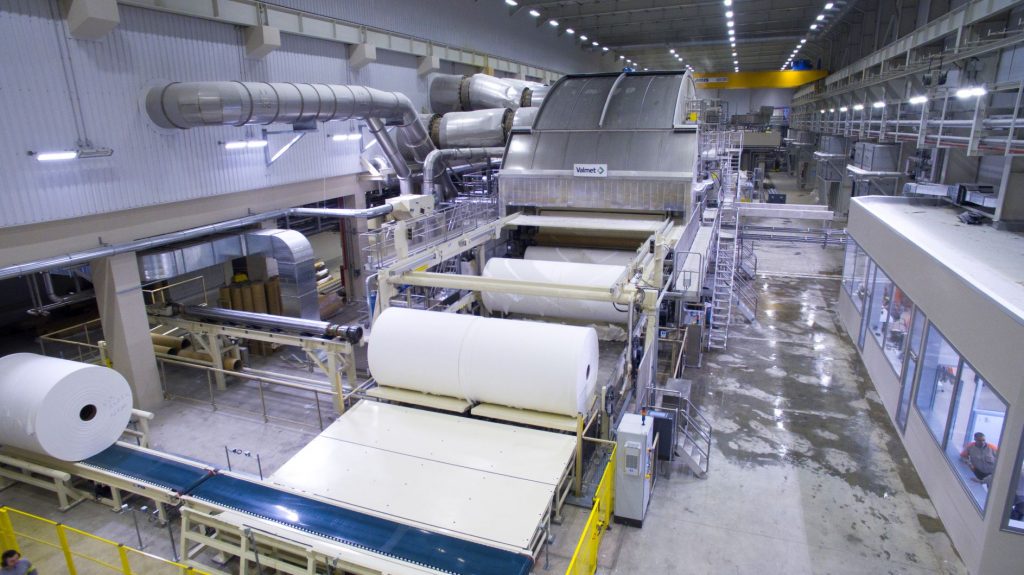
Amid increasingly strict environmental regulations, Tan Thanh asserts its pioneering role as a top provider of comprehensive, high-efficiency paper waste treatment solutions—from consulting and design to fabrication, installation, and maintenance of specialized dust and gas treatment systems.
Tan Thanh’s advantages stem from its modern production lines that manufacture a wide range of high-temperature-resistant filter bags, PTFE-coated antistatic cartridge filters, and integrated cyclone-bag filter systems. It also provides VOCs, SOx, and chlorine odor treatment solutions using state-of-the-art technology.
Tan Thanh supports clients from on-site surveys and customized solution development to long-term stable operation. Its synergy of technical expertise, real-world experience, and lifetime service commitment makes Tan Thanh the top choice for paper mills seeking strategic, sustainable, and cost-effective environmental solutions.

Paper waste is not just a challenge—it’s a potential resource. Advanced technology, zero-waste models, and cooperation between government, businesses, and communities can turn paper waste into valuable resources, helping Vietnam curb pollution and move toward a circular economy.
Contact Tan Thanh for customized solutions.
TAN THANH INDUSTRIAL FILTRATION CO., LTD
- Address: 50 Road No.1 Cu Xa Dien Luc, Truong Tho Ward, Thu Duc City, Ho Chi Minh City, Vietnam.
- Hotline: 0917 531 007
- Email: kelvin@tatafilter.com
