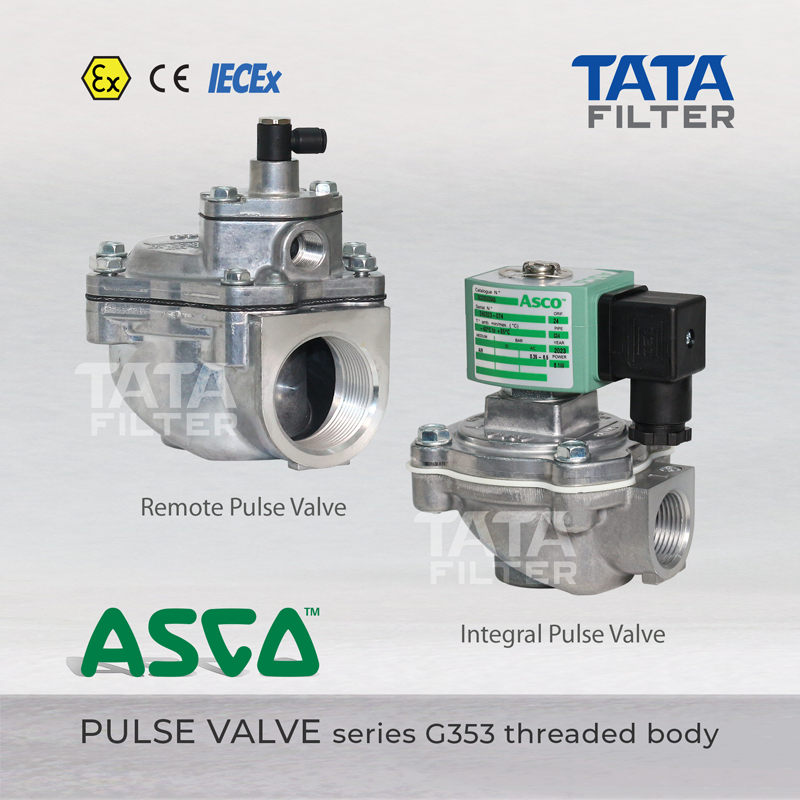
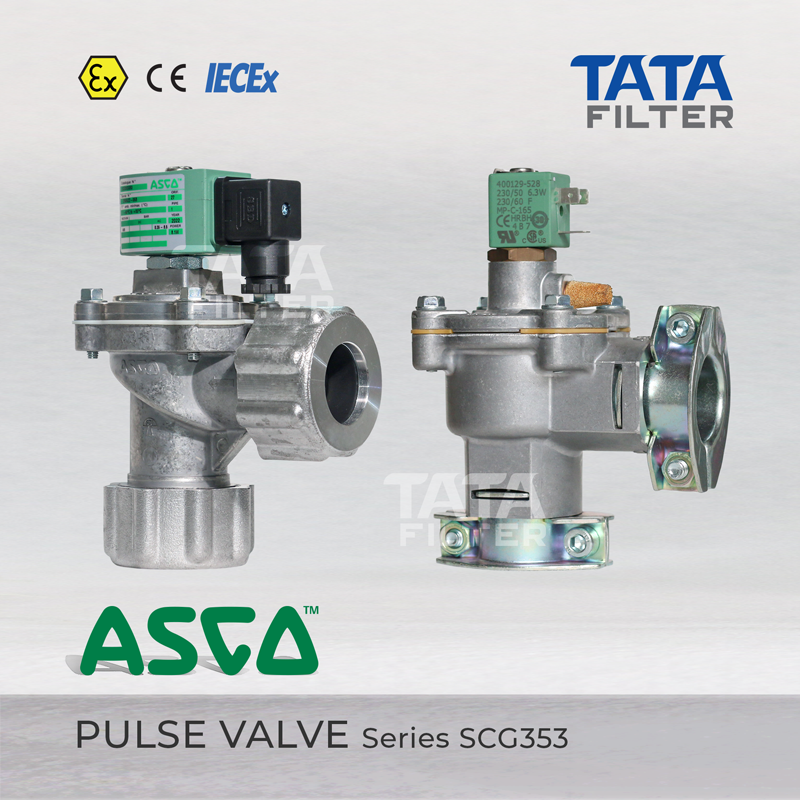
Vietnam’s environmental sector is actively promoting the development of integrated waste treatment and recycling complexes, attracting investment in advanced technologies. Among the most widely adopted solutions are waste-to-energy incineration systems, which combine co-incineration and cogeneration to maximize efficiency in waste disposal and energy recovery. The incineration and metal smelting processes generate high-temperature exhaust gases containing hazardous substances such as CO, NOx, SOx, and heavy metals (e.g., manganese, lead). It is essential to implement air pollution control systems that comply with QCVN 19:2024/BTNMT, the national technical regulation on industrial emissions for dust and inorganic substances. TAN THANH FILTRATION: Industrial applications of waste incinerators and recycling have been strongly developed recently to solve the problem of waste treatment and environmental protection. However, there are still some disadvantages such as the possibility of dust emission during the waste incineration process. To overcome this problem, Tan Thanh Company has proposed filtering treatment solutions to minimize the emission of polluting dust and toxic gases during the waste incineration process, ensuring safety for human health and environmental protection. Contact the engineering team: Mr. Kelvin: 0917 531 007 and Mr. Binh: 0919 823 239for design, manufacture and construction of incinerator dust treatment system. GUTSCHE: “In order to generate electricity from municipal waste or RDF, modern Energy from Waste plants with optimised flue gas cleaning systems are used. The aim of flue gas cleaning is to chemically neutralise the harmful gases, reduce pollutants such as dioxins, furans and heavy metals and to remove the particulate in the gas with an efficiency of greater than 99.99%. Highly efficient bag filters are used to effectively remove the dust particles and reacted product.” (Application areas. Waste and RDF Combustion. June, 2025. Gutsche) Exhaust gas from the incinerator is led through each dust and exhaust gas treatment system, along with dust explosion prevention measures as follows: Tan Thanh Filtration Company is ready to participate in the survey and consultation on dust filtration solutions right from the beginning of waste incineration plant projects for the complex, as well as manufacturing plants with boiler processes, industrial waste incinerators, such as paper mills, wood factories, etc. Tan Thanh has in-depth optimization solutions right from the survey and design of filter materials for incinerator boilers, such as combining finer and coarser fibers, so that the filter achieves high filtration efficiency and at the same time low pressure drop. One of them is the filter fabric with high-performance fabric structure PTFE + anti-static, to enhance the ability to withstand high temperatures, moisture and oil, resist chemical impacts, prevent dust adhesion but still allow air to pass through the fabric, helping to ensure the filtration of fine dust adhesion with higher efficiency and the ability to remove electrostatic dust (dust that has the potential to cause fire and explosion). The latest and most modern system and equipment solution today is the dust filtration system using ceramic core filters with catalysts, capable of operating in high and very high temperature conditions, filtering fine dust in hot air, toxic dust NOx, SOx, Dioxins/furans, HCl, CO, DeSOx, DeNOx. This system has the most suitable function for incinerators, crematoriums, in addition, it also best meets the dust removal requirements of melting furnaces, fluidized bed processes, coal gasification power plants, waste gasification and biomass, fertilizer – chemical production, glass, cement, recovery of precious metals, recovery of chemicals and catalysts, … Industrial automation solutions in incinerator dust filtration applications provided by Tan Thanh include: dust and exhaust gas filters, integrated dust removal valves and remote-controlled valves, dust removal valve control circuits, solenoid coil boxes controlling valves, system control monitoring devices, level sensors, concentration sensors, compressed air tanks and gas distribution pipe accessories, compressed air nozzles, rotary valves, screws… and dust explosion prevention equipment. Tan Thanh Filtration Company is the official Distributor of automatic equipment products for dust collection systems from leading brands such as ASCO EMERSON AVENTICS, TAEHA, FINETEK, SBFEC. To avoid counterfeit, poor quality, and unknown origin products, please contact Tan Thanh’s engineers directly to order, request surveys and receive advice on equipment suitable for each production line. Any form of copying content or images must have the written consent of Tan Thanh Filtration Company (TATA Filter).

🔥 Waste Incineration and Recycling – A Sustainable Path for Vietnam’s Environmental Sector
🎯 Technology Objectives:
🔄 Waste Incineration Process:
🌫️ Emissions and Air Pollution Control:
♻️ Ash and Waste Recycling:
– Metals (iron, aluminum, copper), plastics.
– Industrial sludge → processed into agricultural fertilizers.
– Non-ferrous metal residues → reused as raw materials.
– Solar panel waste → treated through specialized processes.FILTRATION OF WASTE INCINERATION – RECYCLING INDUSTRIES
Incinerator exhaust gas treatment process
– Use the suction force of the air flow passing through the electric field to separate small dust particles (from a few microns or more) from the exhaust gas stream.
– The system needs to install high-tech explosion prevention equipment such as: isolation valve, chemical isolation system, probe device, combined with mechanical equipment such as rotary valve, explosion discharge door, etc.
– The remaining dust particles continue to be filtered and separated by the negative pressure fabric filter bag/cartridge dust collector system.
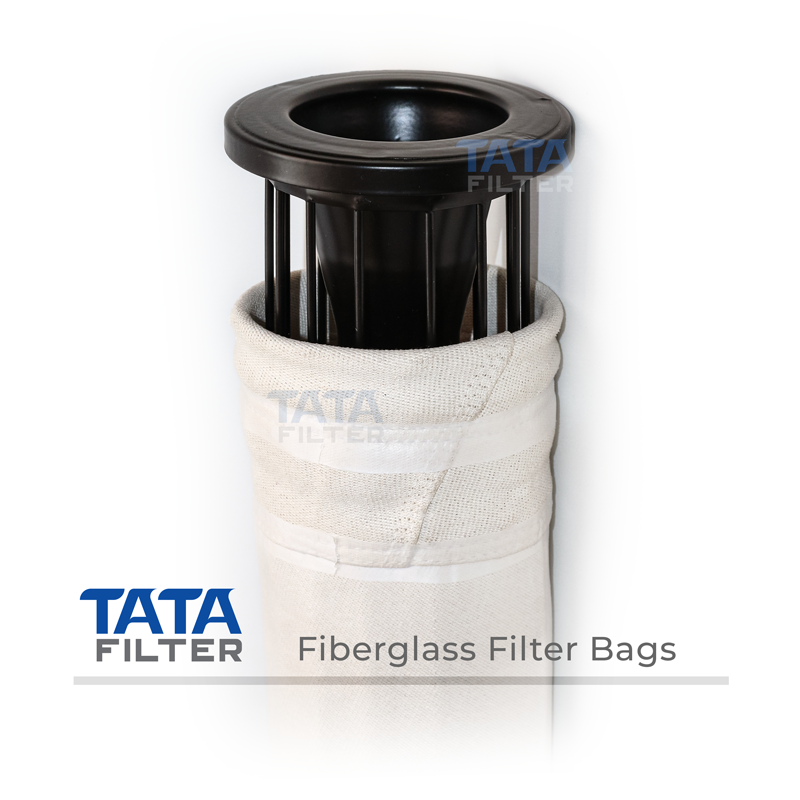
– The dust filter bag and filter bag cage are made from heat-resistant and chemical-resistant materials, helping to remove fine dust particles and dust particles from the exhaust gas stream that has passed through the electrostatic filtration system.
– The system needs to install explosion prevention equipment from the early stages of the explosion, including controllers, pressure probes, chemical discharge tanks and special telescopic nozzles.
– Acid gas absorption treatment, removing acid gases such as SO2 and HCl.
– NOx removal treatment through selective catalytic reduction (SCR) or selective non-catalytic reduction (SNCR) technologies, converting NOx into N2 and H2O.
– Dioxin/Furans treatment through the use of activated carbon.
– Heat recovery for reuse (heat recirculation).
– Cooling, condensing to treat and recover dust and remaining liquid.
– Each waste gas cooling method (by water, cooling tower or heat exchanger) depends on many factors, including the temperature and flow of the waste gas, the temperature requirements after cooling and the environmental factors after treatment, while can meet the requirements of heat and waste gas recirculation.
– Monitoring and recording of waste gas indicators, complying with safety and environmental hygiene regulations. A system can include devices to measure dust concentration, waste gas (such as CO, SOx, NOx), flow, temperature, pressure, etc. and transmit data to the control center for monitoring and analysis.Optimizing design of incinerator dust filters
See more: Industrial Dust Collector System | Tan Thanh
See more: Selecting filter materials for incinerator exhaust gas treatment
See more: PTFE dust filter bag | Tan Thanh
See more: Hot-gas Ceramic Filters | Tan Thanh

Phone: 0917531007 – Email: kelvin@tatafilter.com
Phone: 0919823239 – Email: thanhbinh@tatafilter.com