Industrial wood production: is a manufacturing industry that generates many types of dust that pollute the environment and human health. On the other hand, wood dust is also flammable and has a high risk of causing fire and explosion due to the amount of accumulated dust. There are many processes in wood processing that directly cause dust and emissions that pollute the environment such as: sawing, cutting, kiln drying, … and finishing steps such as planing wood, sanding, painting, drilling, turning, … Wood dust is very dangerous for workers directly in wood factories. It causes respiratory problems and asthma, irritation and dermatitis, cancer, even burns and life-threatening when there is a fire or explosion of wood dust and chemical solvents. Wood pellet and plywood production: In the current Vietnamese market, in addition to wood factories, there are also factories producing wood pellets and plywood, which must be licensed for environmental protection, including approved measures to handle dust, smoke and emissions. The initial wood pellet production processes generate a lot of coarse dust such as sawing, cutting – chopping – coarse grinding, requiring a Cyclone wood dust separation system. The material feeding system and dryer – material loading – fine grinding – pellet pressing – cooling – screening to the final packaging process, requires a suction system from the cooler to the Cyclone, from the Cyclone to the exhaust fan and combined with a dust and smoke filtration system using fabric bags. The factory needs to handle dust and smoke during conveyor operation, forklift loading and unloading and storage, and when cleaning machinery, equipment and the factory during working hours. Dust in the production of wood pellets and plywood pollutes the environment, is toxic to workers’ health, damages property, and damages machinery and equipment in factories, while dust can accumulate and cause fire and explosion. Tan Thanh provides dust collection systems along with automatic equipment solutions, with the function of processing and collecting wood dust, filtering wood dust, helping wood factories reduce the emission of dust that can cause pollution and explosion. The designs and manufactures of central wood dust treatment systems implemented by Tan Thanh include: cyclone dust collectors, cyclone dust collectors combined with fabric bag filters and cartridge filters, automatic equipment such as valves and valve controllers, compressed air tanks, compressed air pulse distribution pipes, differential pressure measuring devices, dust concentrations, level sensors, explosion prevention and explosion discharge devices, piping systems and hoods, exhaust fans, vibrating hammers, screw conveyors, bucket elevators, conveyor belts, etc. At the same time, controlling wood dust at the source means that dust collection measures should be placed near dust sources, such as saws and grinders. On wood dust treatment solutions, please contact directly: Mr. Kelvin: 0917 531 007 and Mr. Binh: 0919 823 239 Wood dust filter material technology: Tan Thanh is the only manufacturer in Vietnam that is allowed to use filter materials from strategic partners such as Gutsche & Alkegen (Germany – USA), Arvind & OG (India – Japan) – brands that own the world’s leading patents for high-performance filter material processing technology. All filter materials meet the most stringent quality standards such as DIN, DIN EN, DIN EN ISO, ISO and have quality testing results. Filter material technologies have been announced and are always improved for each industrial application, especially the wood production process. Common material: Use Polyester non-woven filter fabric material, due to its suitable properties and cost-effectiveness. High performance filter materials: Used depending on the specific requirements of the application to improve performance and durability.Polyester (PE) oil & water resistance coating, Polypropylene (PP) chemical resistance and moisture resistance, Polyphenylene Sulfide (PPS) high temperature resistance and chemical resistance, Polyamide (P84) anti abrasion and high heat resistance, high temperature resistance and chemically inert Glassfiber fabric, Fluoropolymer (PTFE) or PTFE membrane lamination fabric, filter fabric treated with PTFE coating with high heat resistance, chemical resistance, oil & water resistance, superfine dust filtration. In addition, the filter fabrics are also treated with a dust contact surface that is highly heat resistant with fire retardants, mixed with antistatic fibers, hydrolysis resistant, acid vapor resistant, anti abrasion resistance coating,… New trend wood dust filter materials: Optimized design of dust filter materials for wood industry: Tan Thanh has in-depth optimization solutions right from the survey and design of filter materials for the wood industry, such as combining finer and coarser fibers, to achieve high filtration efficiency and low pressure drop at the same time. One of them is a filter fabric with a base fabric + scrim + microporous e-PTFE membrane structure, to enhance resistance to water and oil, chemical solvents, and dust adhesion but still allows air to pass through the fabric, helping to ensure the filtration of fine dust adhesion with higher efficiency. Direct consultation: Kelvin Nguyen Phone: 0917 531 007. Email: kelvin@tatafilter.com Please contact directly for appropriate consultation information. Any form of copying content or images must have written consent from Tan Thanh Industrial Filter Company.
Wood Dust
WOOD INDUSTRY DUST FILTRATION
Tan Thanh’s Wood Dust Filtration Systems
Tan Thanh Wood Dust Filter Materials and Equipment
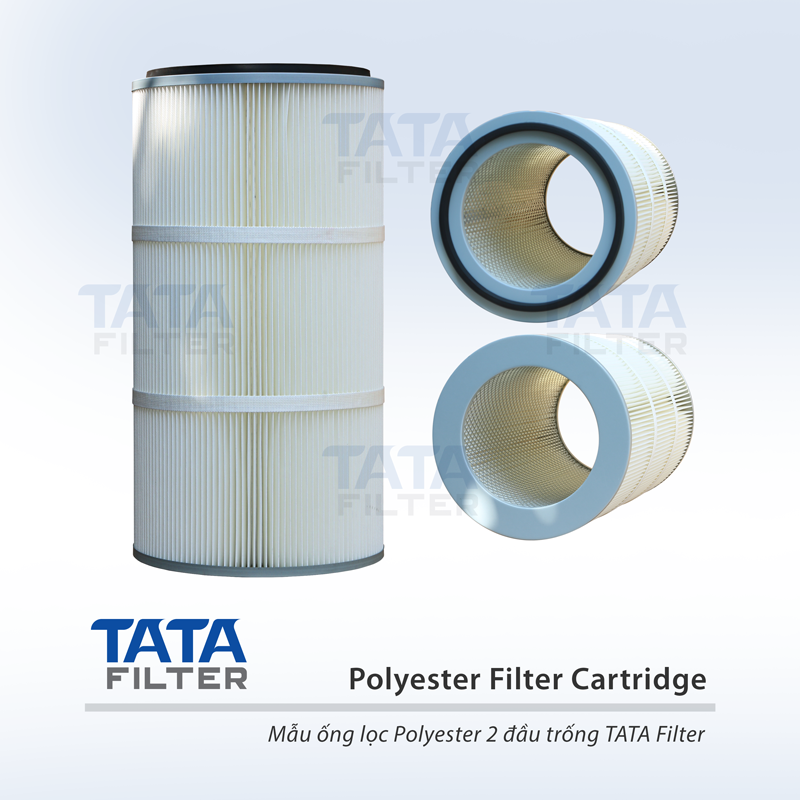
– Cartridge filter tube set uses Polyester filter paper, Polyester mixed with Cellulose. Cartridge filter system is designed to replace fabric bag dust filter system, suitable for wood factories with small area, low roof, limited installation space, high requirements on hygiene, investment in high quality filter system to reduce dust emissions to 0.
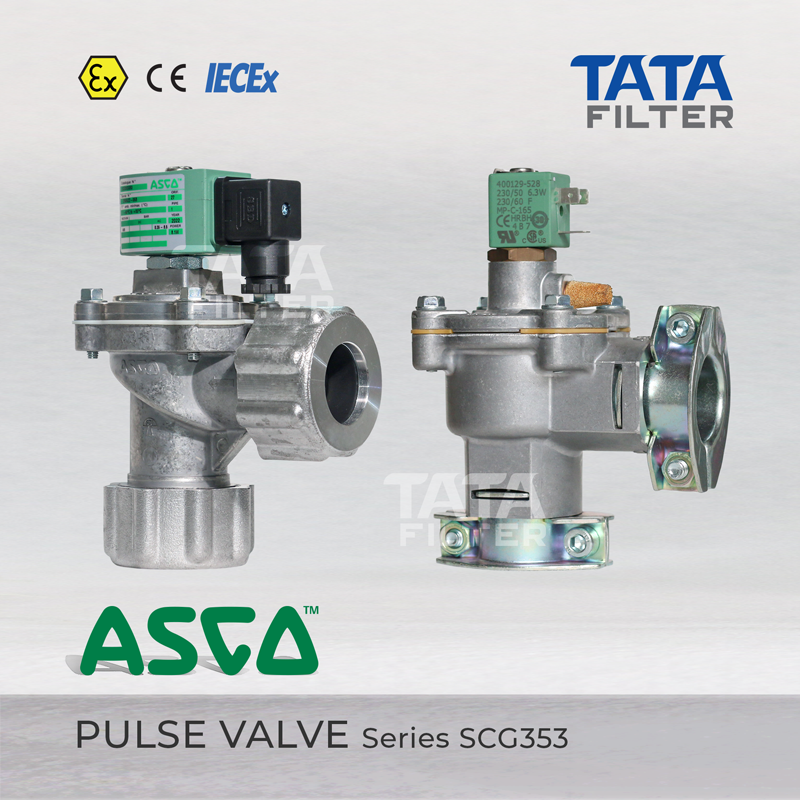
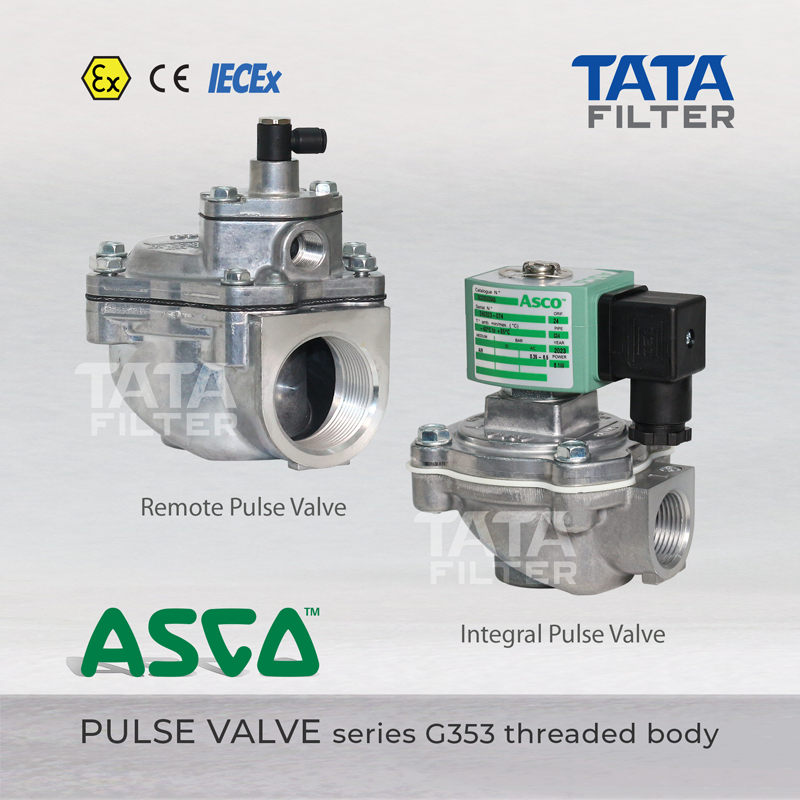
– Cartridge filter can also be designed as compact and portable modular, with full functions of a negative pressure dust extraction system, automatic control operation, connected to the factory’s central control system. Cartridge filter is also often combined with Cyclone pre-filter to settle coarse dust and dust extraction system by exhaust fan, with wood dust explosion prevention equipment installed (fire suppression, explosion discharge, fire protection…) with enhanced continuous automatic dust collection at the bottom of the hopper (screw conveyor, rotary valve), controlled by automation pulse jet solutions and differential pressure gauge between the two filter chambers.
– Rigid tube filter with ceramic fiber filter core is a refractory material, capable of operating in environments with very high temperatures, ultra-fine dust and dust mixed with toxic chemicals. Ceramic cores are mixed with catalysts to neutralize toxic gases, minimizing dust concentrations in clean air output.
– Ceramic fiber filters are used in a central treatment system for large-scale factories, requiring high initial investment capital and operating level, to strictly control the concentration of exhaust gas as well as meet safety, health and environmental requirements. Ceramic filter tubes can completely replace dust filter bags or cartridge filters while still taking advantage of the structure of the baghouse system and negative pressure dust extraction system.
Wood dust control systems, including wood dust extraction systems, must meet two main requirements: